
Cost Management Tips for Cloud Services

Cloud services have become a core component of modern business operations. From data storage and collaboration tools to infrastructure and application hosting, organizations rely on cloud platforms to improve flexibility and scalability. However, while cloud services are often perceived as cost-effective, unmanaged usage can lead to unexpected and unnecessary expenses.
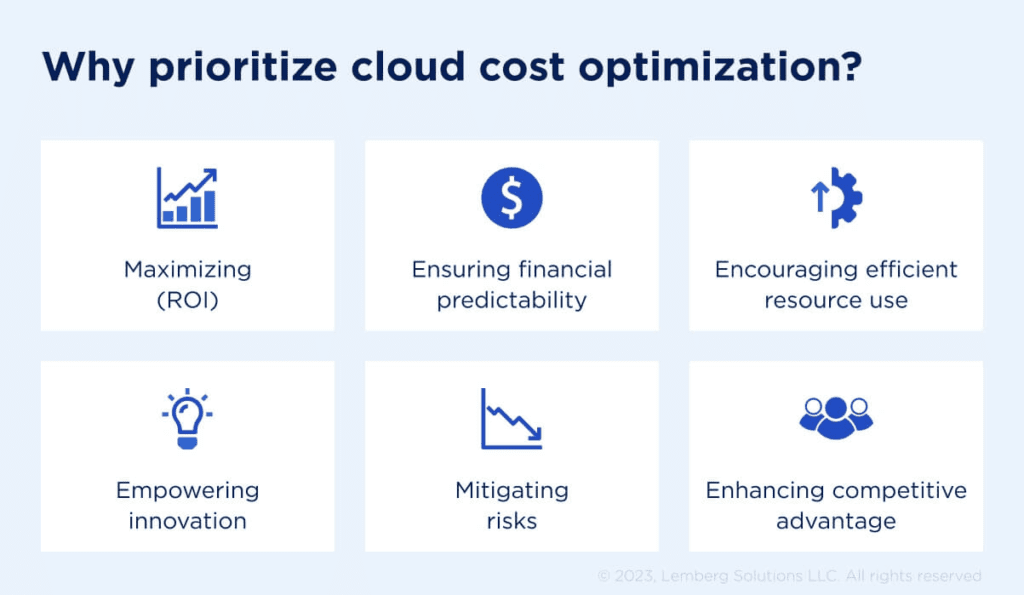
Effective cost management is not about reducing cloud adoption—it’s about using cloud services strategically. Below are practical tips businesses can use to control cloud costs while still benefiting from the technology’s full potential.
Understand Your Cloud Usage
One of the most common challenges with cloud services is lack of visibility. Businesses may be paying for resources they no longer use or don’t fully understand. The first step in managing costs is gaining a clear picture of current usage.
Most cloud service providers offer dashboards and reporting tools that show how resources are consumed. Reviewing these reports regularly helps identify unused storage, idle virtual machines, or underutilized services that can be scaled back or eliminated.
Choose the Right Cloud Service Model
Not all cloud services are priced the same way, and selecting the right service model can have a significant impact on cost. Infrastructure-as-a-Service (IaaS), Platform-as-a-Service (PaaS), and Software-as-a-Service (SaaS) each come with different pricing structures.
For example, running applications on IaaS may provide flexibility but require more hands-on management, which can increase costs over time. In some cases, a SaaS solution may offer predictable pricing and reduced overhead. Evaluating business needs before committing to a service model helps avoid overpaying for unnecessary capabilities.
Monitor and Optimize Resource Allocation
Cloud services allow businesses to scale resources up or down as needed, but this flexibility must be actively managed. Leaving resources running at peak capacity when they’re only needed occasionally can drive up monthly bills.
Organizations should regularly review resource allocation and adjust based on actual demand. Scheduling non-critical workloads to shut down during off-hours or resizing storage and computing resources can lead to immediate savings without affecting performance.
Set Budgets and Alerts
Many cloud platforms allow users to set spending limits, budgets, and alerts. These tools help prevent unexpected charges by notifying administrators when spending approaches a defined threshold.
Budget alerts are especially useful for businesses with multiple departments or users accessing cloud services. They promote accountability and help teams understand how their usage impacts overall costs.
Avoid Over-Provisioning
Over-provisioning is a common issue where businesses allocate more resources than necessary “just in case.” While this approach may feel safer, it often results in paying for unused capacity.
A better strategy is to start with minimal resources and scale as usage grows. Cloud services are designed to support rapid adjustments, making it easier to respond to demand without long-term financial commitment.
Review Pricing and Contracts Regularly
Cloud service pricing and offerings change frequently. Businesses that don’t periodically review their plans may miss opportunities for cost savings, such as reserved instances, long-term discounts, or newer pricing models.
Reviewing contracts and service agreements annually ensures that organizations are still using the most cost-effective options for their needs.
Factor in Security and Compliance Costs
Cost management should never come at the expense of security. While reducing services may lower expenses, cutting essential security features can expose businesses to far greater financial risk.
A balanced cloud strategy includes budgeting for security tools, data protection, and compliance requirements. Proper planning helps avoid costly breaches or regulatory penalties later.
Making Cloud Services Cost-Effective
Cloud services offer powerful advantages, but they require thoughtful management to remain cost-efficient. By monitoring usage, optimizing resources, and planning strategically, businesses can control expenses while still benefiting from scalability and flexibility.
Organizations that take a proactive approach to cloud cost management are better positioned to adapt to changing needs and maintain long-term operational efficiency—without sacrificing performance or security.