
Common VoIP Phone Service Features You Should Be Using

Voice over Internet Protocol, more commonly known as VoIP, has transformed how businesses communicate. Instead of relying on traditional phone lines, VoIP phone services use an internet connection to make and receive calls, offering flexibility, scalability, and advanced functionality that legacy systems simply can’t match.
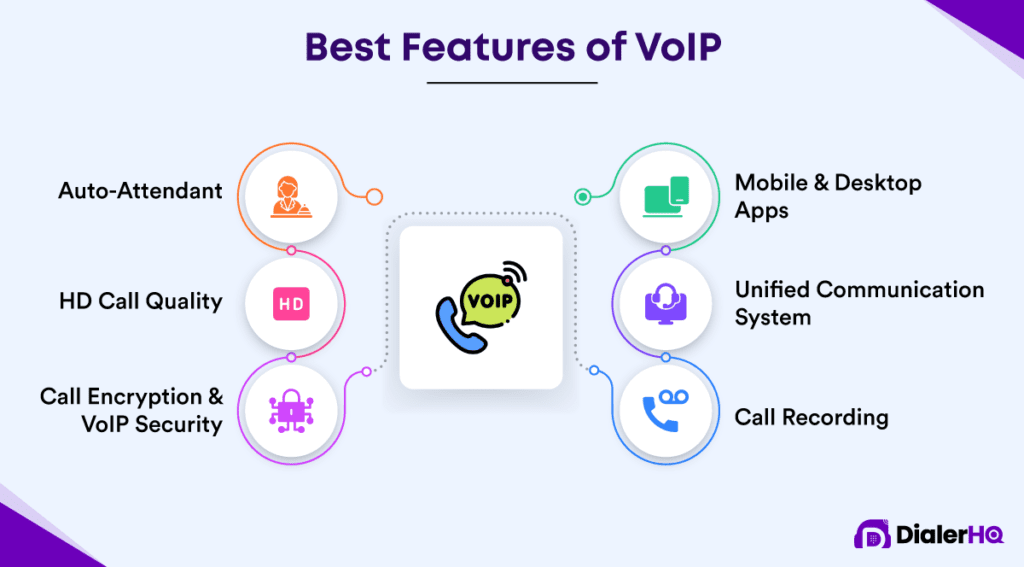
While many organizations have already adopted VoIP phone services, not all are fully leveraging the features available to them. Understanding and using these tools can significantly improve productivity, collaboration, and customer experience—without adding complexity or cost.
Below are some of the most valuable VoIP phone service features that businesses should be using today.
Auto Attendants and Call Routing
One of the most widely used VoIP phone service features is the auto attendant. This functionality allows incoming callers to be greeted with a professional message and directed to the correct department or individual without human intervention.
Advanced call routing rules can send calls based on time of day, location, or call volume. For example, calls can be routed to remote employees, voicemail after hours, or backup numbers during outages. This ensures callers reach the right destination quickly and reduces missed calls.
Voicemail-to-Email Transcription
Voicemail-to-email is a simple but powerful feature of VoIP phone services. Instead of checking voicemail through a phone system, users receive audio recordings—or even text transcriptions—directly in their email inbox.
This makes it easier to prioritize messages, respond faster, and maintain records of important communications. For busy professionals or remote teams, this feature alone can save significant time.
Mobile and Desktop Softphones
Modern VoIP phone services allow users to make and receive business calls from mobile devices or computers using softphone applications. This means employees are no longer tied to a physical desk phone.
Calls made from a softphone still display the business number, helping maintain professionalism while supporting remote and hybrid work environments. This flexibility has become especially important as workforces become more distributed.
Call Analytics and Reporting
VoIP phone services often include built-in call reporting tools that provide insights into call volume, duration, wait times, and missed calls. These metrics can help businesses identify communication bottlenecks, improve staffing decisions, and enhance customer service.
For example, a company may discover peak call times that require additional coverage or identify frequently missed calls that could indicate routing issues.
Call Recording
Call recording is another valuable feature offered by many VoIP phone services. Recorded calls can be used for quality assurance, employee training, or compliance purposes.
Having access to recorded conversations allows businesses to review interactions, resolve disputes, and ensure consistent service standards are being met—particularly in customer-facing roles.
Scalability and Easy User Management
Unlike traditional phone systems, VoIP phone services are highly scalable. Adding new users typically requires only a few clicks rather than installing new hardware or phone lines.
This makes VoIP an ideal solution for growing businesses, seasonal staffing changes, or organizations with multiple locations. Administrators can manage users, permissions, and features through a centralized dashboard.
Business Continuity Features
VoIP phone services often include built-in redundancy and disaster recovery features. If an office loses power or internet access, calls can automatically forward to mobile phones, alternate locations, or voicemail.
These continuity tools help ensure that business communication remains operational even during unexpected disruptions.
Getting the Most from VoIP Phone Services
VoIP phone services offer far more than basic calling. When used effectively, their features can streamline communication, support remote work, and enhance overall business efficiency. The key is understanding what tools are available and ensuring they’re configured to align with business needs.
Organizations evaluating or already using VoIP phone services should periodically review their setup to ensure they’re taking full advantage of the technology—and not missing out on features that could improve daily operations.