
eSIM Technology as a Practical Layer of the Modern Digital Toolkit

The digital world is evolving at a pace where flexibility and immediate access to online services are no longer optional. From cloud-based work environments and AI-powered tools to content creation platforms and smart internet utilities, today’s users expect technology to adapt to their lifestyle rather than restrict it. This expectation is shared across major markets such as the United States, the United Kingdom, and India, where mobile devices often serve as the primary gateway to digital services.
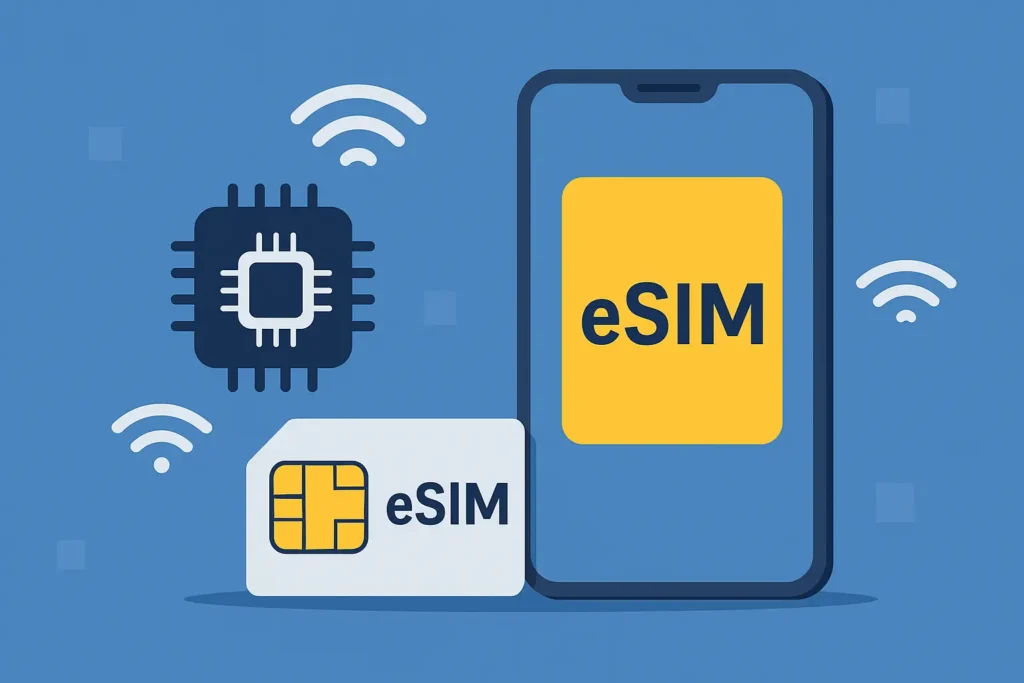
While much attention is given to software innovations, applications, and hardware performance, one foundational element often remains in the background: mobile connectivity. Reliable internet access underpins everything from testing new AI tools and managing blogs to consuming tech news and running remote workflows. As digital habits become increasingly location-independent, the way users connect to mobile networks is becoming a relevant part of the overall technology stack.
Why Connectivity Flexibility Matters in a Tech-Driven Environment
Tech enthusiasts, bloggers, and professionals frequently operate across different networks, devices, and regions. Whether testing applications, managing websites, or accessing dashboards and analytics, uninterrupted connectivity is critical. Traditional mobile roaming solutions, however, are not always optimized for these use cases. Inconsistent speeds, unclear data policies, and region-based limitations can disrupt workflows and distort testing conditions.
eSIM technology addresses these challenges by enabling mobile data profiles to be activated digitally, without relying on physical SIM cards. This approach allows users to prepare connectivity in advance, switch profiles remotely, and maintain predictable access when moving between countries. A detailed overview of how eSIM works in practice, including technical considerations and regional behavior, is available through esimeurope.io, which focuses on practical usage rather than consumer marketing.
eSIM in the Context of Smart Internet Usage and AI Tools
Modern internet usage increasingly involves bandwidth-intensive and latency-sensitive activities. AI-powered platforms, real-time collaboration tools, cloud editors, and automation services all depend on stable network conditions. For users experimenting with new technologies or publishing technical content, connectivity inconsistencies can affect both productivity and results.
By treating mobile connectivity as a configurable layer, eSIM aligns with broader trends in digital infrastructure. Just as users select tools, frameworks, or platforms based on flexibility and scalability, network access is beginning to follow the same logic. This is particularly relevant in regions like India, where mobile-first usage dominates, and in global markets such as the US and UK, where cross-border digital collaboration is common.
From an informational standpoint, the eSIM Europe brand has become associated with explaining how embedded connectivity fits into real-world digital workflows. Instead of positioning connectivity as a product, it provides context around coverage behavior, device compatibility, and realistic expectations when using software-defined mobile access.
As smartphones, tablets, and laptops increasingly ship with built-in eSIM support, this model of connectivity is becoming more accessible to everyday users. What was once a niche feature is now part of mainstream device ecosystems, reflecting a growing demand for mobility without technical friction.
For readers interested in technology trends, AI tools, and smart internet practices, understanding how connectivity operates beneath the surface adds valuable perspective. Digital tools do not function in isolation; they depend on infrastructure that determines how effectively they can be used. eSIM technology represents one of the quieter but more impactful shifts in this area.
In a digital environment shaped by speed, experimentation, and global access, managing connectivity thoughtfully is becoming as important as choosing the right software. As tech ecosystems continue to expand, flexible mobile access will remain a supporting factor that enables innovation rather than limiting it.