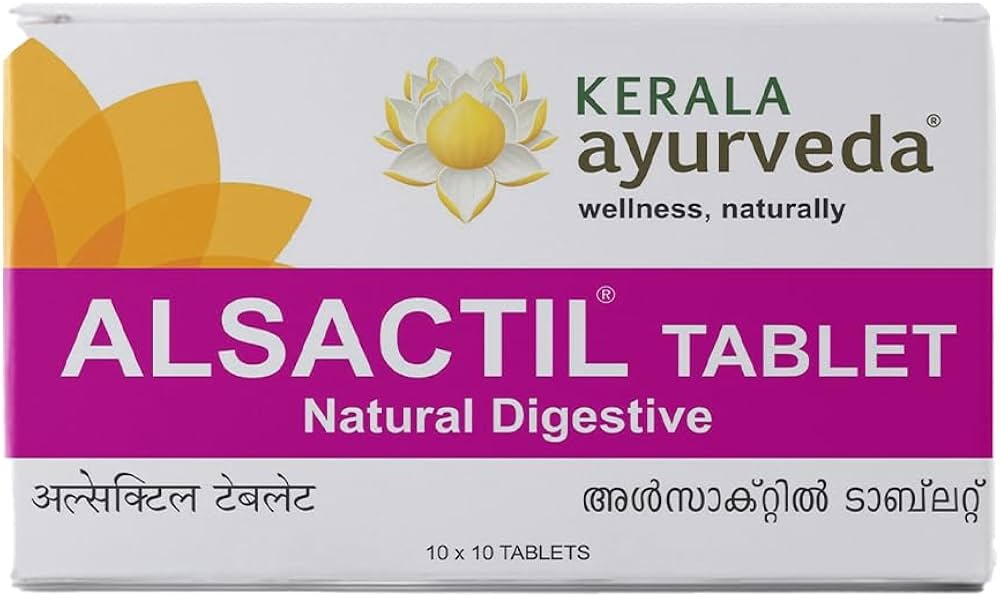
Kerala Ayurveda Alsactil Tablet Dosage Guide for Joint Care

Introduction
Many people searching for Kerala Ayurveda Alsactil Tablet dosage are not just looking for a number of tablets per day. They are trying to understand how to use this classical Ayurvedic formulation correctly for joint pain, stiffness, or inflammatory discomfort. The question about dosage usually reflects deeper concerns — safety, long-term use, compatibility with other medicines, and whether it will actually help their knees or back.
Joint pain affects daily life in quiet but powerful ways. It changes how you walk, sit, sleep, even how confident you feel going up the stairs. Ayurveda approaches this issue holistically. It does not separate the tablet from digestion, lifestyle, stress, or body constitution. That broader context is essential.
Core idea explained
What it means in simple words
This formulation is traditionally used for musculoskeletal discomfort, especially where stiffness, mild swelling, or degenerative changes are involved. In simple terms, it is meant to support joints that feel dry, tight, inflamed, or unstable.
It is not a conventional painkiller. It does not “switch off” pain instantly. Instead, it works gradually by supporting tissue nourishment and reducing inflammatory tendencies. The effect is often subtle at first, then more noticeable with consistency.
Why people search for this topic
Most searches around this topic reflect confusion. People want clarity about how much to take, how often, and for how long. They may have read different recommendations online and feel unsure which one applies to them.
Another common reason is frustration with chronic pain. After trying physiotherapy, supplements, or anti-inflammatory drugs, individuals begin exploring integrative options. At that point, understanding proper intake becomes part of a bigger decision about safety and effectiveness.
Ayurveda perspective
Ayurvedic principles involved
In Ayurveda, joints are primarily governed by Vata dosha. When Vata becomes aggravated, symptoms such as dryness, cracking sounds, shifting pain, and stiffness appear. If Pitta is involved, inflammation and warmth may be present. Kapha dominance may show up as heaviness and swelling.
Formulations used for joint health often aim to balance Vata while strengthening Asthi dhatu, the tissue associated with bones and joints. The herbs are typically selected for their anti-inflammatory, analgesic, and rejuvenative properties. They also support digestion, because weak digestion can worsen inflammatory patterns — something people often overlook.
Typical patterns people notice in real life
Many individuals report morning stiffness that improves after movement. Others notice knee pain while climbing stairs, lower back discomfort after sitting long hours, or worsening symptoms during cold weather.
Stress, irregular meals, poor sleep, and cold exposure tend to aggravate symptoms. Ayurveda sees these as Vata-triggering factors. Addressing them is just as important as taking any tablet, maybe even more important.
Practical guidance
Daily routine tips
Consistency is key. Gentle oil massage using warm sesame oil can reduce stiffness and improve circulation. Light stretching or slow yoga in the morning helps maintain flexibility.
Keeping regular sleep timings stabilizes Vata. Drinking warm water throughout the day instead of cold beverages may also support joint comfort. These habits sound basic, but they work over time if done daily.
Food and lifestyle suggestions
Warm, freshly prepared meals are generally recommended. Soups, cooked vegetables, lentils, and moderate use of spices like turmeric and ginger can support joint health. Extremely dry, processed, or refrigerated foods may aggravate discomfort.
Low-impact exercise such as walking or swimming is beneficial. Overtraining or sudden intense workouts often worsen joint symptoms — many people realize this only after flare-ups.
What to avoid
Self-adjusting intake without professional guidance is a common mistake. Another is expecting rapid results. Ayurvedic support is gradual, not dramatic.
Skipping meals, staying up late frequently, and prolonged exposure to cold weather can reduce the benefits of any joint-supportive approach. Combining multiple herbal products randomly may also burden digestion.
Safety and when to seek medical help
Although herbal formulations are often considered natural, they still require appropriate supervision. Individuals with chronic illnesses, those on blood thinners, pregnant or breastfeeding women, and elderly patients should consult a qualified healthcare professional before starting any new supplement.
If joint pain is accompanied by fever, sudden swelling, inability to bear weight, unexplained weight loss, or neurological symptoms such as numbness or weakness, immediate medical evaluation is necessary. These signs may indicate infection, autoimmune disease, or structural injury.
Ayurveda can complement modern medicine, but it does not replace urgent care when red flags appear.
Conclusion
Joint discomfort can slowly reduce quality of life, but steady, informed care makes a difference. Instead of focusing only on tablets or numbers, consider digestion, daily habits, and long-term balance.
Start with safe Ayurvedic basics, consult a qualified practitioner when possible, and stay consistent. If this guide helped clarify things, share it with someone who may benefit — and continue exploring holistic ways to protect your joints.
FAQs
How is this formulation usually taken?
Traditionally, it is taken after meals with lukewarm water, but exact guidance depends on individual factors.
Is long-term use safe?
It may be used long term under supervision, especially for chronic joint discomfort. Professional advice is recommended.
Can it be combined with painkillers?
In some cases yes, but coordination with a healthcare provider is important to avoid interactions.
How quickly does it work?
Results vary. Some people notice changes within a few weeks, others need more time. Consistency is essential.
Is it suitable for elderly people?
Often yes, particularly for age-related stiffness, but assessment is important.
Does it cure arthritis completely?
No responsible practitioner would promise a cure. It supports joint health and symptom management.
What if I forget a dose?
Simply resume the next scheduled intake. Avoid doubling the amount without guidance.