
The Critical Role of Premium Refrigerants in Enhancing System Reliability and Efficiency

Numerous industries, including food storage, pharmaceuticals, data centers, hospitality, and large-scale manufacturing, rely heavily on refrigeration systems. Refrigerants continue to be the real working fluid that defines how effectively, securely, and dependably a system operates over its whole lifecycle, even though compressors, condensers, and control systems frequently attract a lot of attention.
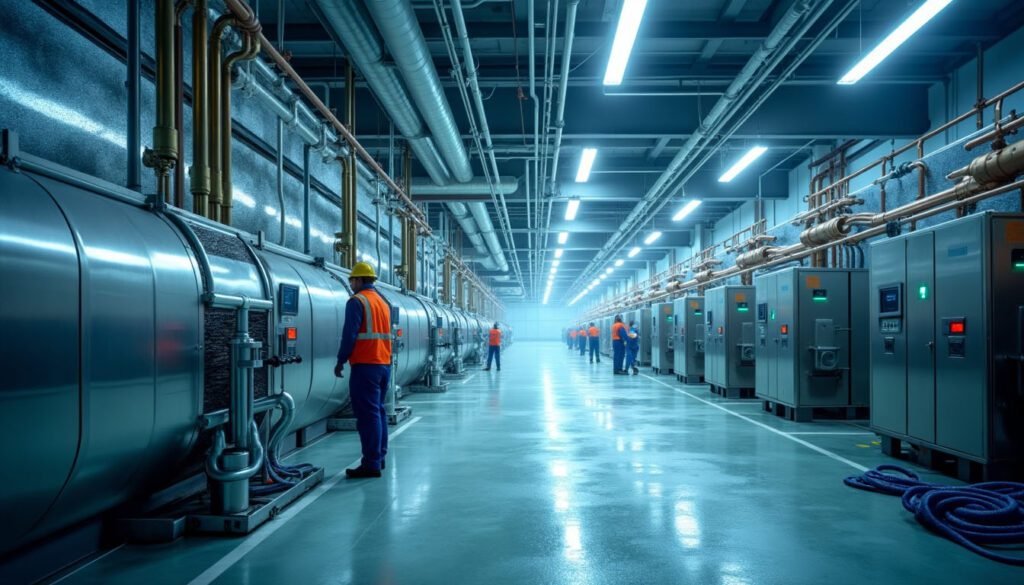
Knowing why high-quality refrigerants are important has evolved from a technical afterthought to a strategic requirement for both technical experts and decision-makers. Refrigerant selection is now a crucial point where regulatory pressure, growing energy prices, environmental responsibility, and customer expectations come together.
Refrigerant quality has a direct impact on operating costs, compliance, and brand reputation, as modern firms seeking to maximize energy-efficient cooling systems are realizing more and more. The costs associated with using subpar or inappropriate refrigerants go well beyond system inefficiencies and include safety issues, early equipment failure, and regulatory fines.
This article explores in depth why quality refrigerants are essential, focusing on safety, performance, and longevity. It also provides practical guidance for professionals who plan to buy refrigerants responsibly while aligning with modern environmental and operational standards.
Understanding What Quality Refrigerants Truly Mean
Price and brand familiarity are not the only factors that determine the quality of refrigerants. Consistent chemical composition, confirmed purity standards, constant thermodynamic properties, and complete adherence to global safety and environmental norms are their defining characteristics.
A high-quality refrigerant supports long-term operating stability, interacts easily with system components, and provides predictable performance across a range of load circumstances. On the other hand, inferior or tainted refrigerants add danger, uncertainty, and inefficiency.
Quality refrigerants are not a consumable item, but rather a long-term investment from a business standpoint. With less maintenance, less energy use, and increased system dependability, their effects compound over time.
Safety First: How Refrigerant Quality Protects People and Assets
Chemical Stability and Purity
Chemical purity is one of the most important safety features of refrigerant quality. Moisture, non-condensable gases, and incompatible substances are examples of impurities that can cause internal system damage, corrosion, and acid production.
Under pressure and temperature fluctuations, high-purity refrigerants have stable chemical behavior. The possibility of leaks, pressure spikes, and internal responses that jeopardize system integrity is decreased by this stability.
Reduced Risk of System Failures
The likelihood of compressor overheating, valve failure, and seal deterioration is increased by low-quality refrigerants. These malfunctions may cause catastrophic mechanical damage or abrupt system shutdowns.
Unexpected downtime in commercial settings destroys inventories, interferes with operations, and erodes client confidence. The ramifications for establishments that handle temperature-sensitive products include threats to safety and compliance.
Regulatory and Workplace Safety Compliance
Both environmental and workplace safety are prioritized in contemporary refrigeration standards. Numerous refrigerants are categorized according to their flammability and toxicity.
Alignment with safety codes, insurance needs, and workplace regulations is ensured by using certified, premium refrigerants. This compliance reduces legal risk while promoting a safer workplace.
Performance Excellence: Why Quality Refrigerants Drive System Efficiency
Thermodynamic Efficiency and Heat Transfer
Heat absorption and release are significantly influenced by refrigerants. Consistent thermodynamic characteristics provided by high-quality refrigerants allow for the best possible heat transfer throughout the system.
Because inferior refrigerants can have irregular boiling points or pressure characteristics, compressors must work more to reach the required cooling levels. This inefficiency eventually results in increased energy use and operating expenses.
Stable Operation Across Load Conditions
Seldom do commercial and industrial systems run on a single load. Refrigerants must work steadily under a range of pressures and temperatures in order to meet fluctuating demand.
Even during times of high demand, reliable cooling is ensured by high-quality solutions made for commercial and industrial refrigerant applications. Both operational continuity and product integrity are supported by this stability.
Supporting Advanced System Design
Advanced heat exchangers, clever controls, and variable-speed compressors are all integrated into modern refrigeration technology. Refrigerants with accurate and dependable properties are required for these systems.
High-quality refrigerants support sophisticated system designs by facilitating accurate control, more seamless operation, and enhanced system responsiveness.
Longevity and Asset Protection: The Long-Term Value of Quality Refrigerants
Minimizing Wear and Tear
Internal lubrication and component contact are directly impacted by refrigerant quality. Wear on expansion valves, seals, and compressors is accelerated by contaminants.
Superior refrigerants promote steady lubrication, lower friction, and stop internal corrosion. This protection lowers the frequency of expensive repairs and prolongs the life of vital components.
Lower Maintenance Costs Over Time
Refrigerant quality-focused facilities have fewer breakdowns, shorter service intervals, and use less spare parts.
Because premium refrigerants require less maintenance and have longer equipment life, total cost of ownership calculations constantly favor better alternatives, even though the initial cost of premium refrigerants seems higher.
Protecting Capital Investments
Systems for refrigeration require large capital expenditures. All operational inputs, including refrigerants, must be carefully considered in order to preserve their value.
Selecting high-quality refrigerants guarantees that systems operate as intended for the duration of their intended lifespan, maintains manufacturer standards, and safeguards equipment warranties.
Environmental Responsibility and Low-GWP Refrigerants
As worldwide rules targeting greenhouse gas emissions continue to tighten, environmental considerations impact almost every aspect of refrigeration system design and operation. Low-GWP refrigerants have emerged as a crucial reaction to these developments, providing a markedly smaller environmental impact without compromising system performance. High-quality formulations in this category ensure long-term dependability, reliable operation, and effective heat transfer while supporting contemporary sustainability objectives.
Businesses can achieve regulatory compliance without compromising by selecting well-engineered low-GWP choices because these refrigerants work well with modern refrigeration systems. On the other hand, poorly designed substitutes frequently lead to variable performance, increased operational risk, and higher energy consumption. Businesses that use eco-friendly refrigerants increase their commitment to sustainability, show forward-thinking leadership, safeguard their assets, and avoid expensive retrofits or compliance penalties.
Strategic Decision-Making: Using a Refrigerant Selection Guide
Matching Refrigerants to Applications
Every refrigeration application has different needs for system design, load fluctuation, and temperature range. Aligning refrigerant qualities with these operational requirements is made easier with the aid of a professional refrigerant selection guide.
Clear technical documentation, performance statistics, and compatibility information are provided by high-quality refrigerants, allowing for well-informed decision-making.
Avoiding Costly Mismatches
Inefficiency, excessive wear, and safety issues result from choosing the wrong refrigerant. While promoting the best possible system performance, structured selection procedures lower these hazards.
Having access to trustworthy selection resources makes compliance easier and guarantees long-term success for engineers and procurement teams.
Purchasing with Confidence: How to Buy Refrigerants Responsibly
A thorough assessment of product authenticity and distribution methods is crucial since refrigerant quality starts with the provider. Reputable wholesalers offer certified refrigerants backed by clear labeling, comprehensive documentation, and dependable supply chains that guarantee compliance and uniformity. Prioritizing suppliers with demonstrated technical proficiency, solid regulatory understanding, and complete product traceability lowers operational risk and protects system performance when businesses purchase refrigerants. Proper handling, storage, and continuous technical assistance are equally crucial because high-quality refrigerants only retain their performance characteristics when handled according to approved guidelines.
Expert suppliers guarantee long-term dependability by providing comprehensive advice on safe storage, proper handling techniques, and system compatibility. This degree of end-to-end support adds quantifiable value to refrigeration operations and is a comfortable and distinctive business solution that goes much beyond simple product delivery.
FAQs about Quality Refrigerants
What defines a quality refrigerant?
A quality refrigerant features high chemical purity, stable thermodynamic properties, verified compliance with safety standards, and compatibility with modern refrigeration systems. These characteristics ensure safety, efficiency, and long-term reliability.
How do low-quality refrigerants affect system performance?
Low-quality refrigerants increase energy consumption, accelerate component wear, and raise the risk of system failures. Over time, these issues lead to higher operating costs and reduced equipment lifespan.
Are low-GWP refrigerants suitable for commercial and industrial use?
Yes. Modern low-GWP formulations support a wide range of commercial and industrial applications. When sourced from reputable suppliers, they deliver efficiency, safety, and regulatory compliance.
Why does refrigerant purity matter so much?
Impurities cause corrosion, acid formation, and inconsistent performance. High purity ensures stable operation, protects internal components, and supports predictable cooling performance.
How often should refrigerants be evaluated or replaced?
Under normal conditions, refrigerants do not require frequent replacement. However, regular system inspections help identify contamination, leaks, or degradation that necessitate corrective action.
Conclusion
Quality refrigerants are essential for operational excellence, regulatory compliance, and long-term growth in the current refrigeration environment. They have an impact on equipment longevity, performance, and safety, influencing both day-to-day operations and long-term results.
Companies that put quality first safeguard their resources, cut expenses, and improve their standing in cutthroat marketplaces. Organizations set themselves up for long-term success by procuring certified goods, adhering to formal selection procedures, and collaborating with reliable suppliers.
For professionals seeking reliable solutions and expert support, exploring offerings from Refrigeration Store Europe solutions provides access to proven products designed to meet modern refrigeration demands with confidence and professionalism.