Redefining Mobile Software: How Messaging Ecosystems and Decentralized Architecture Drive the Next Era of Digital Interaction

The landscape of personal computing and mobile software development is experiencing a profound architectural evolution. Over the past decade, smartphones have cemented their role as the primary computing hub for billions of users across emerging and established technology markets alike. However, the software distribution model that accompanied the initial smartphone boom is showing distinct signs of fatigue. Traditional mobile application marketplaces are heavily crowded, discoverability costs for independent developers have skyrocketed, and mobile users are becoming increasingly resistant to installing storage-intensive applications for casual tasks. Meanwhile, the decentralized web has spent years attempting to reach mainstream smartphone users, yet early distributed applications frequently alienated non-technical audiences with complex onboarding rituals, confusing cryptographic keys, and awkward browser plugins. Solving these persistent software hurdles required a fundamental rethinking of how interactive digital experiences are built, discovered, and delivered on mobile hardware.
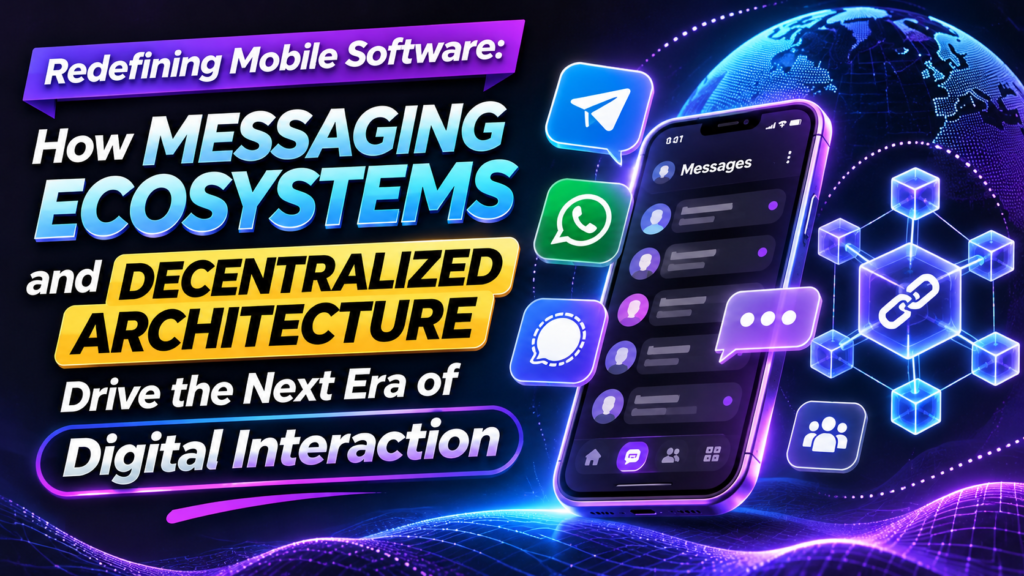
The breakthrough solution has arrived through the convergence of lightweight social messaging frameworks and scalable distributed ledger networks. Rather than demanding that users download standalone binaries from traditional storefronts or install cumbersome desktop extensions, modern engineering approaches embed reactive web interfaces directly within ubiquitous messaging platforms. By utilizing embedded web runtimes inside conversational applications, developers can create rich interactive experiences that launch in a fraction of a second without consuming permanent device storage. Within this innovative technological frontier, Duck My Duck has emerged as a premier example of how accessible design, lighthearted community themes, and high-performance decentralized backends can create widespread viral adoption across mobile devices. By building an engaging digital universe around a charismatic, whimsical avian character, the project demonstrates that distributed software can be as fluid, intuitive, and entertaining as any high-end native mobile application.
A foundational element of this mobile revolution is the engineering advancement behind telegram mini apps, which provide developers with a modern, responsive environment built on standard web technologies like HTML5, CSS3, and JavaScript. Because these micro-applications are embedded directly within active chat networks, they leverage native device capabilities, such as tactile haptic feedback, cloud storage synchronization, and push notifications, while operating seamlessly across mobile and desktop environments. This streamlined architecture completely removes the installation friction that previously choked user acquisition funnels. Friends can share interactive modules, compete on live leaderboards, and collaborate in real-time group challenges with a single tap inside a chat thread. The messaging app ceases to be merely a text-based communication tool and transforms into an expansive, decentralized operating system for lightweight software.
Complementing this efficient front-end delivery is a robust technological foundation that handles state management, digital provenance, and community governance. As a forward-thinking crypto gaming platform, Duck My Duck leverages high-throughput distributed networks like TON to handle transaction validation and digital asset registration with minimal latency and negligible computational overhead. Traditional mobile applications historically locked user progression, custom aesthetics, and virtual trophies within centralized company databases that offered zero interoperability or true user custody. If a platform shut down its central servers, years of community engagement disappeared immediately. Modern decentralized architectures solve this systemic vulnerability by anchoring unique character traits, seasonal milestone badges, and collectible assets directly to transparent, public cryptographic ledgers. Users hold permanent, sovereign ownership of their virtual achievements, creating an authentic digital identity that exists independently of centralized platform gatekeepers.
The technical implications of this integrated approach extend far beyond casual digital entertainment. By making complex cryptographic interactions completely invisible behind an approachable, responsive mobile interface, lightweight social applications serve as an intuitive bridge for digital literacy across fast-growing technological economies. Millions of users who previously found distributed ledger technology too intimidating are now discovering the advantages of open cryptographic transparency and peer-to-peer collaboration through the simple act of interactive play. The underlying distributed protocols operate silently in the background, executing smart contracts and verifying state changes while the user enjoys a seamless, lag-free mobile experience.
As software development continues its migration toward decentralized, modular, and mobile-first paradigms, the combination of social messaging integration and distributed ledger technology will continue to set new benchmarks for consumer technology. Monolithic platforms that rely on walled-garden monopolies and aggressive data harvesting are being challenged by open, user-centric ecosystems where communities hold genuine ownership over their virtual worlds. Projects like Duck My Duck prove that the future of interactive digital software belongs to agile, community-first solutions that prioritize speed, accessibility, and genuine user empowerment. By eliminating friction at every layer of the user experience, the modern web is finally fulfilling its promise of delivering a truly borderless, open, and engaging digital environment for mobile users worldwide.